Automatic Watches Under $300: What You Really Get
By Marcus Bellamy · Published · 5 min read
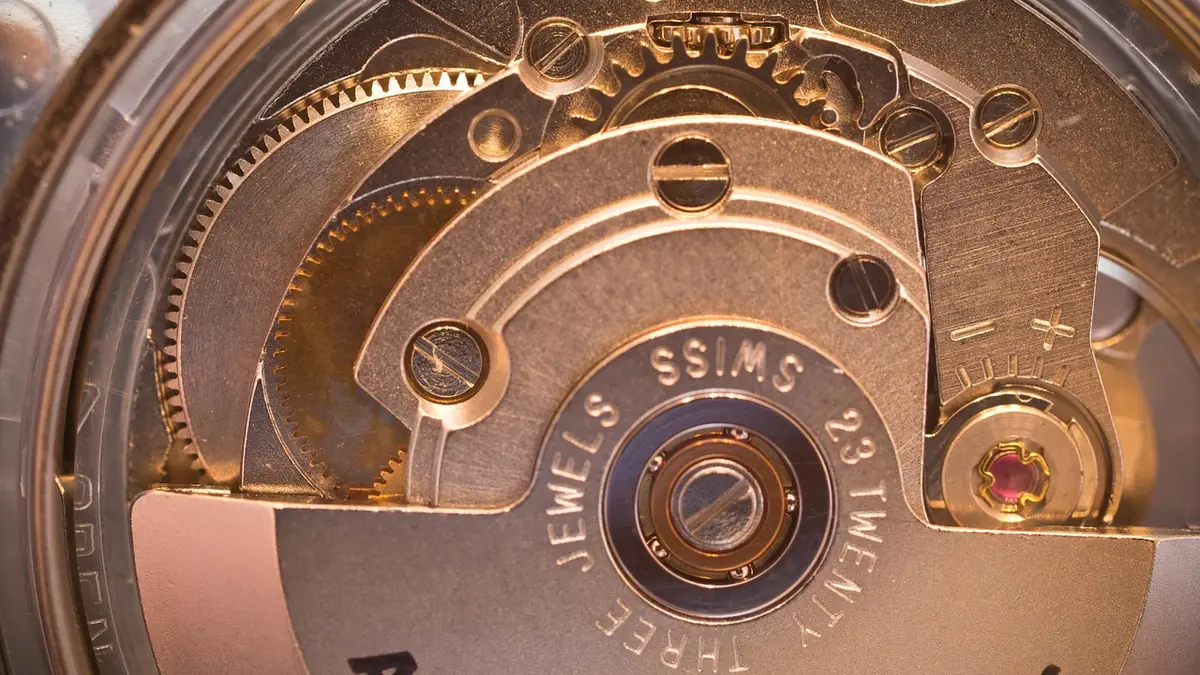
An automatic watch under $300 is not a compromise you have to apologise for. At this price you can get a genuine mechanical movement, a sapphire crystal on many models, and a case that looks good on the wrist for years. What you cannot expect is chronometer-grade accuracy or hand-finished bridges.
The trick is knowing where the money actually goes. Below is a breakdown of movements, power reserves, case finishing and the costs you can avoid, so you can judge an entry-level automatic on what matters rather than on the spec sheet's longest word.
What a Sub-$300 Movement Really Is
Almost every automatic under $300 runs one of a handful of mass-produced movements: the Japanese Miyota 8215 or 9015 family, Seiko's NH35/NH36, or a Chinese clone of a Swiss design such as the ETA 2824. These are robust, serviceable and cheap to replace, which is exactly why microbrands use them. They are not decorated, and nobody will mistake the rotor for something from a high-end workshop.
The practical difference between them is small. The NH35 beats at 21,600 vibrations per hour and hacks and hand-winds; the Miyota 8215 beats at 21,600 too but often lacks hacking. The 9015 is thinner and beats at 28,800, which gives a smoother sweep and usually better out-of-box accuracy. Expect roughly -20 to +40 seconds a day on a fresh example; anything inside ±15 seconds is a good sample.
A movement swap or full service on these costs less than a service on a Swiss calibre. Many watchmakers will simply fit a new NH35 for a modest fee rather than overhaul the old one, which keeps long-term ownership cheap.
- Seiko NH35/NH36: hacking, hand-winding, 21,600 vph, widely serviceable
- Miyota 9015: thin, 28,800 vph, smoother sweep, decent accuracy
- Miyota 8215: tough but often non-hacking, budget staple
- Chinese 2824 clones: fine when new, variable quality control
Power Reserve: The Number Nobody Checks
Entry automatics typically store 38 to 42 hours of running time. That sounds fine until you take the watch off on Friday night and find it stopped on Sunday morning. If you rotate watches, a 40-hour reserve means resetting the time most Mondays, which gets old quickly.
A handful of budget movements push past 60 or even 70 hours, and that changes how the watch lives with you. A 70-hour reserve survives a weekend in a drawer. If you own two or three watches and swap them casually, prioritise reserve over an extra millimetre of case diameter or a marginally nicer dial.
Remember that reserve is measured fully wound. Wearing a watch eight hours a day rarely tops it up completely unless you are reasonably active. Desk workers should hand-wind occasionally or accept the occasional reset.
- 38–42 hours: standard; expect to reset after a weekend off
- 50 hours: comfortable for daily wear with one day off
- 60–70+ hours: survives a full weekend in the box
- Low activity? Wind it manually once a week
Where the Money Goes: Case, Crystal, Dial
At this price the case is usually 316L stainless steel, machined rather than hand-finished. Look for crisp transitions between brushed and polished surfaces and lugs that are not sharp underneath. A well-executed brushed finish hides scratches better than a mirror polish, which is why tool-style watches age more gracefully.
Sapphire crystal is the single upgrade worth paying for. It resists the scuffs that make a mineral crystal look tired within a year. Hardened mineral is acceptable on a beater, but if the watch is your daily, sapphire plus an anti-reflective coating matters more than the movement's decoration.
Dials at this level are stamped, not galvanically grown, and applied indices are a good sign. Check lume in person or in real photos: a few minutes of glow is normal, all-night brightness is rare below $300. A screw-down caseback and 100 m water resistance are realistic; 200 m is a bonus.
- Sapphire crystal: the upgrade that ages best
- Brushed cases hide wear better than polished
- Applied indices and clean printing signal care
- 100 m water resistance is realistic; verify the crown
Accuracy, Regulation and What to Expect
No budget automatic will match a quartz watch for accuracy, and that is fine. A realistic target is ±20 seconds a day, with good examples landing inside ±10. Position matters: a watch left crown-up overnight often runs slightly differently than one left dial-up, so you can nudge daily rate by how you store it.
If yours drifts badly, a watchmaker can regulate it on a timegrapher for a modest fee, usually well under the cost of a service. Ask for the before-and-after rates. Avoid paying for regulation on a movement that is clearly worn; on a new watch, give it two to three weeks of wear before judging.
Magnetism is the quiet killer. Keep automatics away from laptop speakers, magnetic closures and phone cases with magnets. A magnetised watch can gain minutes a day and often demagnetises in seconds at a watchmaker.
Straps, Sizing and Total Cost of Ownership
Many sub-$300 watches ship on a stiff leather or basic steel bracelet that undersells the watch. Budget $25–$60 for a decent replacement: a well-made leather strap or a solid-link bracelet transforms how a watch wears. Quick-release spring bars make swapping painless and are worth seeking out.
Sizing matters more than spec sheets admit. A 38–40 mm case with a lug-to-lug under 48 mm suits most wrists; 42 mm and above can overhang narrower wrists and look clumsy. Measure your wrist and check lug-to-lug before buying, not just diameter.
Factor in long-term costs: a strap every year or two, a service or movement swap every five to seven years, and possibly a pressure test if you swim with it. Spread over years, the ownership cost is modest, but it is not zero.
- Set aside $25–$60 for a better strap
- Aim for lug-to-lug under 48 mm on average wrists
- Quick-release bars make strap swaps easy
- Budget a service or movement swap every 5–7 years
Buying Checklist Before You Commit
Read the movement name, not the marketing. If a listing avoids naming the calibre, assume it is a generic clone and price accordingly. Check whether the watch hacks and hand-winds, confirm the crystal type, and look for real owner photos of the caseback and lume rather than studio renders.
Buy from sellers with a clear return window and a warranty of at least a year. Try the watch on if you can; if not, check the return policy carefully. And resist paying a premium for a brand name on a case that houses the same movement as a cheaper alternative.
If you are building a small collection, think about how this watch fits alongside what you own. A daily-wear automatic pairs well with a dress piece and a beater. Read our guide to how much to spend on a daily watch before you decide the budget, and if you like contrast, see how to wear black and gold without looking flashy.
| Movement | Beat rate | Power reserve | Hacking | Typical accuracy |
|---|---|---|---|---|
| Seiko NH35 | 21,600 vph | ~41 h | Yes | -20 to +40 s/day |
| Seiko NH36 | 21,600 vph | ~41 h | Yes | -20 to +40 s/day |
| Miyota 9015 | 28,800 vph | ~42 h | Yes | -15 to +25 s/day |
| Miyota 8215 | 21,600 vph | ~40 h | Often no | -20 to +40 s/day |
| Chinese 2824 clone | 28,800 vph | ~38 h | Yes | -20 to +45 s/day |
| Long-reserve budget calibre | 21,600–28,800 vph | 60–70 h | Usually yes | -20 to +40 s/day |
Servicing and Keeping It Running
Automatics are not fragile, but they reward basic care. Rinse a saltwater-exposed case in fresh water, wipe it dry, and avoid leaving it in a hot car or a steamy bathroom. A watch that runs continuously lasts longer than one that sits stopped for months, because lubricants stay distributed.
When accuracy deteriorates noticeably or the rotor sounds gritty, get it looked at. On budget movements, a replacement is often the sensible route, and many independent watchmakers stock the common calibres. Keep the original box and papers; they help if you ever sell.
Finally, do not over-service. If it keeps good time and winds smoothly, leave it alone. Plenty of entry-level automatics run for a decade with nothing more than a strap change and an occasional regulation.
- Movement quality matters less than a named, serviceable calibre and a sapphire crystal.
- Prioritise 60+ hours of power reserve if you rotate watches or skip weekends.
- Expect ±20 seconds a day; regulation is cheap, over-servicing is not.
- Budget for a better strap and check lug-to-lug before buying.
Marcus has spent years testing grooming tools, watches and everyday menswear and writing up what actually holds up to daily use. He focuses on value, fit and the small practical details buyers only notice after a few weeks. He edits every recommendation guide on the site.