Black and Gold Watches: Wearing Them Without Looking Flashy
By Marcus Bellamy · Published · 5 min read
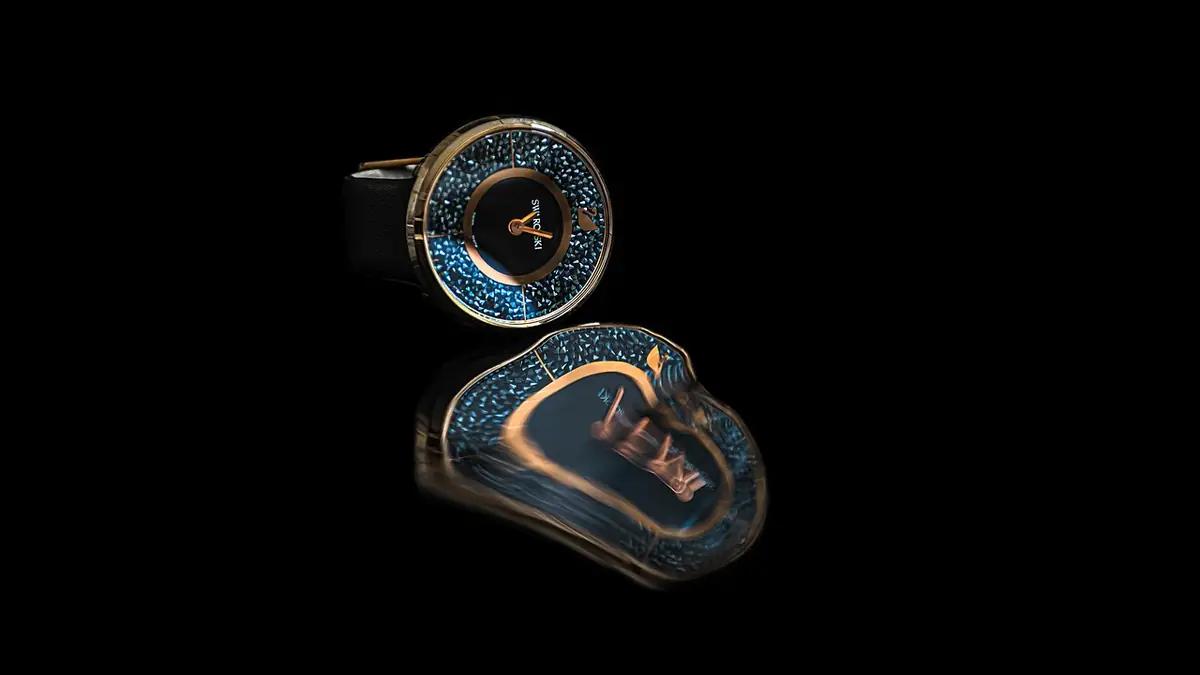
A black and gold watch is one of the few accessories that can read as either quietly expensive or loudly cheap, and the difference usually comes down to finish, proportion and what you wear it with. The metal itself isn't the problem. Too much polish, too much gold coverage or a dial that fights the case is what pushes a watch into costume territory.
This guide covers what to look for when buying and how to wear black and gold day to day: which coatings age well, how much gold is enough, which straps calm the watch down, and the outfits that make it look deliberate rather than borrowed.
Why Black and Gold Goes Wrong
Most black and gold watches that look off do so for one of three reasons: the gold is too bright and too widespread, the black is a flat matte that looks like plastic, or the case is oversized relative to the wrist. Gold plating on a 45 mm case with a polished bracelet is a lot of shine in one place, and shine draws the eye before anything else in your outfit does.
The fix is contrast control. A black dial absorbs light while gold hands and indices catch it, so the watch reads as a single object rather than a gold block. Keep gold to the bezel, hands, indices and crown where possible, and treat a full gold bracelet as an evening choice. Brushed or satin finishes are calmer than mirror polish on almost any wrist.
- Gold on the dial and bezel only is easier to wear than a full gold bracelet
- Brushed and satin finishes hide scratches and look less loud than mirror polish
- Anything over about 42 mm starts to look like jewellery rather than a watch
Dial Finishes and Case Coatings That Age Well
On a black dial, look for sunburst, fumé or fine-grained textures rather than flat matte black. Texture gives the dial depth under indoor light and stops it looking like a printed surface. A subtle gradient from black to charcoal or deep brown near the edges is one of the most forgiving options, because it softens the boundary with a gold bezel.
For the case, PVD coating in black is common and reasonably durable, but it will chip at sharp edges over years of desk wear. Gold tone is usually plating measured in microns, typically a few microns on affordable watches; solid gold is a different price bracket entirely. Two-tone cases with a steel base and gold bezel wear better than all-over plating because chips show less. If the gold is a warm yellow tone rather than a pale champagne tone, it will look more casual and less formal.
- Sunburst, fumé or grained black dials hide fingerprints and add depth
- PVD black coatings chip at corners; brushed finishes hide it better
- Warm yellow gold reads casual, pale champagne gold reads dressier
- Check that hands and indices match the case tone, mismatched golds look cheap
How Much Gold Is Enough
As a working rule, one gold element per outfit is plenty. If the watch has a gold bezel and gold hands, skip the gold chain and the gold ring on the same hand. If you want to wear a wedding band in yellow gold, a watch with a steel case and only gold indices will sit more comfortably next to it than a full gold-tone bracelet. Matching metals is optional; balancing them is not.
Case size matters as much as colour. A 38 to 40 mm case with a slim bezel keeps the gold to a thin ring and reads as considered. A 44 mm gold-tone chronograph with three subdials is a lot of visual information, and it will dominate a plain shirt. If you already own a larger watch, wear it with short sleeves or knitwear so there is fabric to break up the shine.
- Aim for one gold element per outfit, not three
- 38–40 mm cases keep gold coverage modest
- Yellow gold jewellery next to a gold-tone watch should be a close tone match
- Short sleeves or textured knits soften a shiny case
| Configuration | Typical price | Formality | Wear resistance | Best for |
|---|---|---|---|---|
| Black dial, gold bezel, steel case, leather strap | 120–400 | Smart casual | Good | Office and evenings |
| Black PVD case, gold indices, rubber strap | 150–450 | Casual | Very good | Weekends and summer |
| Two-tone steel and gold bracelet, black dial | 300–900 | Business | Good | Suits and meetings |
| Full gold-tone case and bracelet, black dial | 150–600 | Dressy | Fair (plating wears) | Events, not daily |
| Black dial, gold hands only, steel case | 80–300 | Everyday | Very good | First black-gold watch |
Straps That Calm the Watch Down
Swapping the bracelet is the fastest way to make a black and gold watch wearable every day. A black leather strap with a gold-tone buckle keeps the palette but drops the shine by half. Matte black leather or a black textile strap with a gold-tone keeper looks more casual and works with denim, chinos and knitwear. Avoid glossy croc-embossed leather unless you are dressing for a formal event.
For summer, a black rubber or FKM strap is practical and reads sporty rather than flashy, especially on a dive-style case. Brown leather is an option but only if the gold is warm rather than pale, otherwise the three tones fight. Strap width should match the lug width exactly; a 20 mm lug with a 22 mm strap looks wrong from across a room. Quick-release spring bars make swapping a two-minute job, so buy two straps and rotate.
- Black leather with a gold-tone buckle is the safest everyday swap
- Matte finishes read calmer than gloss
- Black rubber or FKM suits summer and sporty cases
- Match strap width to lug width exactly
Outfits That Work
Navy, charcoal, olive and black all flatter a black and gold watch because the gold has something dark to sit against. A navy suit with a white shirt and no tie is close to a cheat code: the watch supplies the only warm tone in the outfit. Denim and a grey knit works the same way at the casual end. White shirts are fine but a bright white tee next to a gold bezel can look brash, so a slightly off-white or a textured fabric helps.
Avoid pairing the watch with large gold belt buckles, gold-rimmed sunglasses or heavily printed shirts. Pattern competes with the dial, and more gold competes with the case. If your outfit already has a warm accent, such as tan leather shoes or a camel coat, the watch slots in naturally. If everything you wear is cool-toned grey and blue, the watch becomes the accent, which is exactly what you want.
- Navy, charcoal, olive and black are the safest backdrops
- Tan leather shoes and camel coats echo warm gold tones
- Skip gold buckles and gold-rimmed glasses on the same day
- Let the watch be the only warm accent in a cool-toned outfit
Buying Checklist and What to Spend
Below roughly 150 you are mostly buying plating and a quartz movement; the finish will be decent but expect the gold tone to dull within a few years of daily wear. Between 150 and 500 you get better plating, sapphire crystal on some models and automatic movements on a few. Above 500 the conversation shifts to brand, movement quality and serviceability, and two-tone steel-and-gold becomes a realistic option.
Try the watch on under the lighting you actually live in, not just the shop spotlights. Check the clasp, the end-link fit against the case and whether the gold tone matches your ring. Ask about water resistance: 50 m is fine for rain and handwashing, 100 m is the sensible minimum if you swim. If you are building a small grooming and accessory routine around the watch, a beard grooming kit checklist keeps the rest of the presentation consistent, and a guide to affordable couples watches that match is useful if you are buying a pair.
- Under 150: expect plating and quartz, fine for occasional wear
- 150–500: better plating, sapphire on some, automatic on a few
- 100 m water resistance if you swim
- Check gold tone against your ring in daylight
- Keep gold to the bezel, hands and indices for everyday wear
- Brushed and matte finishes read calmer than mirror polish
- A strap swap is the cheapest way to make the watch wearable daily
- Navy, charcoal and olive outfits let the gold do the work without shouting
Marcus has spent years testing grooming tools, watches and everyday menswear and writing up what actually holds up to daily use. He focuses on value, fit and the small practical details buyers only notice after a few weeks. He edits every recommendation guide on the site.