Australian Menswear Stores Worth Visiting: A Shopper's Guide
By Marcus Bellamy · Published · Updated · 6 min read
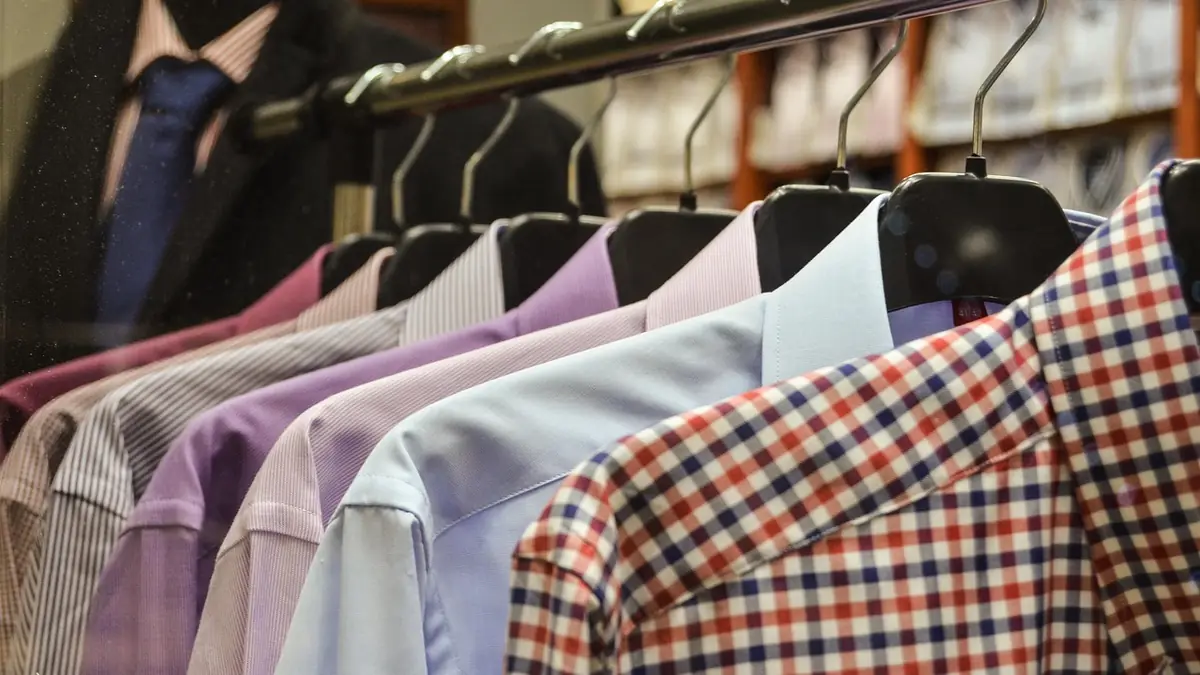
Australian menswear has quietly become one of the more interesting retail scenes in the English-speaking world. You get the big domestic department names with their heritage tailoring floors, a deep bench of specialty suiting houses, and a streetwear and workwear segment that punches well above the country's size. The catch is that the geography is spread across a handful of cities, so knowing what each type of store actually does saves you a wasted afternoon.
This guide breaks the market down by store type rather than by brand worship: what each category stocks, what you should expect to pay in Australian dollars, how the fits tend to run, and where to start if you are building a wardrobe from scratch or replacing one tired suit. Prices move with seasons and sales, so treat the figures here as typical ranges rather than promises.
Department Store Tailoring Floors
The two big domestic department chains anchor most CBD shopping districts, and their menswear floors are broader than tourists expect. A typical flagship devotes a full level to menswear, with a suiting section that includes in-house labels, mid-tier international brands and a small made-to-measure desk. Staff on these floors are usually trained in basic alterations, and most stores offer hemming on site within a few days.
Fit-wise, the house labels lean towards a regular, slightly roomy cut that suits broader frames and older customers. Slim and extra-slim cuts exist but sit in the branded sections rather than the in-house racks. If you are between sizes, try the branded rails first: the house pattern often runs about half a size larger through the chest and waist than the label on the hanger suggests.
Sales cycles are predictable. Mid-season markdowns hit suiting in April and October, and the post-Christmas clearance is the deepest discount window of the year. Full-price suits typically land between $400 and $900, with branded lines from $700 upward. Alteration costs are modest, often $20 to $40 per hem or waist adjustment, and free if you buy during a promotional week.
- Flagships in Sydney, Melbourne and Brisbane carry the widest suiting range
- In-house cuts run regular to relaxed; try branded rails for slim fits
- Deepest discounts: April, October and post-Christmas clearance
- On-site alterations usually ready in two to five days
Specialty Suiting Houses and Made-to-Measure
Beyond the department floors sits a layer of specialty tailors and made-to-measure showrooms, concentrated in Sydney and Melbourne but increasingly present in Perth and Brisbane. These businesses typically offer two services: a curated range of ready-to-wear jackets and trousers from European and Japanese mills, and a made-to-measure programme where your measurements are sent to a workshop and a garment returns in four to eight weeks.
Expect to pay $900 to $1,800 for a made-to-measure two-piece in a mid-weight wool, and $1,500 to $3,000 once you move into better cloths or full canvas construction. That is a serious step up from off-the-peg, but the fit difference is real for anyone whose shoulders and waist do not match a standard drop. First-time customers should book a consultation rather than walk in on a Saturday.
The ready-to-wear side is where most people start. A specialist store will usually stock one or two house cuts, each with a defined shoulder and lapel style, and the staff will steer you honestly if the cut does not suit your frame. Ask about the return policy on altered garments before committing, because made-to-measure deposits are commonly non-refundable.
- Made-to-measure: $900 to $1,800 for a basic two-piece
- Turnaround typically four to eight weeks
- Book a weekday consultation for unhurried fittings
- Confirm deposit and alteration terms in writing
Streetwear, Workwear and Casual Specialty Shops
The casual end of the market is where Australian retail feels most distinctive. Workwear-inspired shops stock heavy cotton drill, selvedge denim and boots built for actual site work, while streetwear boutiques lean into local labels and limited runs. The two overlap more than you might think: a good workwear shop will carry chinos and overshirts that read smart-casual in the city, and a streetwear shop will stock plain heavyweight tees that outlast fast-fashion equivalents by years.
Prices are wide. A heavyweight cotton tee runs $40 to $80, selvedge jeans $120 to $250, and a decent overshirt or chore jacket $150 to $350. Boots from heritage makers sit at $250 to $500 and are worth trying on in person because sizing varies by last. Fit in this segment tends towards boxier, shorter cuts than European equivalents, which suits shorter torsos but can feel cropped on taller frames.
Staff knowledge is the reason to visit rather than buy online. A good workwear shop will tell you how a denim will shrink, whether a jacket can be layered over a hoodie, and which boots run narrow. If you are layering casual pieces with a nicer watch, it pays to think about proportion; our guide to digital watches for everyday wear covers the practical side of matching a casual outfit with a larger case.
- Heavyweight tees: $40 to $80
- Selvedge denim: $120 to $250
- Overshirts and chore jackets: $150 to $350
- Heritage boots: $250 to $500; try before buying
Outlets, DFOs and Discount Timing
Every major city has a direct factory outlet precinct, and the menswear offering is better than the reputation suggests. You will find last-season suiting, casualwear and footwear at 30 to 60 per cent off, with the deepest cuts on odd sizes and discontinued colours. The trade-off is that stock is unpredictable and alteration services are often unavailable or limited to basic hemming.
Timing matters more than location. Weekday mornings mean quieter fitting rooms and staff with time to help, while the first weekend of a clearance event is when the best stock disappears. Sign up to outlet newsletters if you are hunting a specific item; the good stuff is often gone before it reaches the shop floor.
A realistic strategy is to buy basics at full price from a store with good returns, and treat outlets as a source for second pairs of trousers, casual jackets and shoes you already know fit. Buying an unfamiliar brand at an outlet is a false economy if it needs $80 of alterations to work. For watches and grooming, outlet discounts are thinner, so focus your outlet trips on clothing.
- Expect 30 to 60 per cent off last-season stock
- Odd sizes and discontinued colours see the deepest cuts
- Alteration services often limited or unavailable
- Shop weekday mornings for space and staff attention
Fit, Sizing and Alteration Realities
Australian sizing runs roughly half a size larger than equivalent US sizing in many casual brands, and a full size larger than some Japanese labels. Suiting is usually sold by chest measurement in centimetres or by a 36 to 46 scale, and trousers by waist in inches. Do not assume your online size translates; try on in store whenever the shop allows it, and check the returns policy on sale items before you pay.
Most stores offer basic alterations, but the quality varies. A department store hem is fine for chinos and casual trousers; for a suit jacket, use a specialist tailor. Sleeve length, waist suppression and trouser taper are the three alterations that most improve a fit, and a good tailor will tell you when a garment is not worth the money.
If you are building a routine around your wardrobe, small details matter as much as the clothes. A well-fitted jacket looks sharper with a modest watch, and our piece on black and gold watches explains how to wear a bolder piece without it dominating. The same logic applies to grooming: a tidy beard and a clear routine do more for a suit than another jacket.
- Australian casual sizing often runs half a size large
- Suiting sold by chest measurement in cm or 36 to 46
- Use a specialist tailor for jacket alterations
- Check returns on sale items before paying
| Store type | Suit (two-piece) | Casual jacket | Shirt | Alterations |
|---|---|---|---|---|
| Department flagship | $400–$900 | $150–$300 | $50–$120 | On-site, $20–$40 |
| Specialty tailor (RTW) | $900–$1,800 | $300–$600 | $100–$200 | In-house, included |
| Made-to-measure | $900–$3,000 | n/a | $120–$250 | Included in fitting |
| Workwear shop | n/a | $150–$350 | $60–$120 | Basic hem only |
| Streetwear boutique | n/a | $100–$250 | $40–$90 | Usually none |
| Outlet / DFO | $250–$600 | $80–$200 | $30–$70 | Limited or none |
Building a Wardrobe Across Store Types
The most efficient approach is to assign each store type a job. Department stores cover suits, shirts, socks, underwear and basics at predictable quality. Specialty suiting houses handle the one or two jackets you wear most. Workwear and streetwear shops supply the casual backbone: jeans, tees, overshirts and boots. Outlets fill gaps and replace worn basics at a discount.
Budget sensibly. A workable starting wardrobe in Australia costs roughly $1,200 to $2,000: one suit at $500 to $800, two pairs of trousers at $100 each, four shirts at $60 to $100, a casual jacket at $200, jeans at $150, and shoes at $200 to $300. Spend more on the suit and shoes, less on trend pieces, and avoid buying everything in one weekend.
If you are also upgrading watches or grooming, keep the spend proportionate. An entry automatic at $200 to $300 pairs well with a $700 suit, and our guide to automatic watches under $300 explains what you actually get at that price. For skin and beard care, the order you apply products matters more than the brand, as covered in our grooming routine order breakdown.
- Department stores: suits, shirts, basics
- Specialty tailors: your best jacket
- Workwear and streetwear: casual backbone
- Outlets: replacements and gap-filling
- Assign each store type a job: department stores for suits and basics, specialty tailors for your best jacket, workwear and streetwear for casual pieces, outlets for replacements.
- Australian casual sizing often runs half a size large; try on in store and check sale returns before paying.
- Spend more on the suit and shoes, less on trend pieces, and budget roughly $1,200 to $2,000 for a workable starting wardrobe.
- Use a specialist tailor for jacket alterations; department store hems are fine for casual trousers.
Marcus has spent years testing grooming tools, watches and everyday menswear and writing up what actually holds up to daily use. He focuses on value, fit and the small practical details buyers only notice after a few weeks. He edits every recommendation guide on the site.