Best Deodorants for Active Men: Antiperspirant or Deodorant?
By Marcus Bellamy · Published · 4 min read
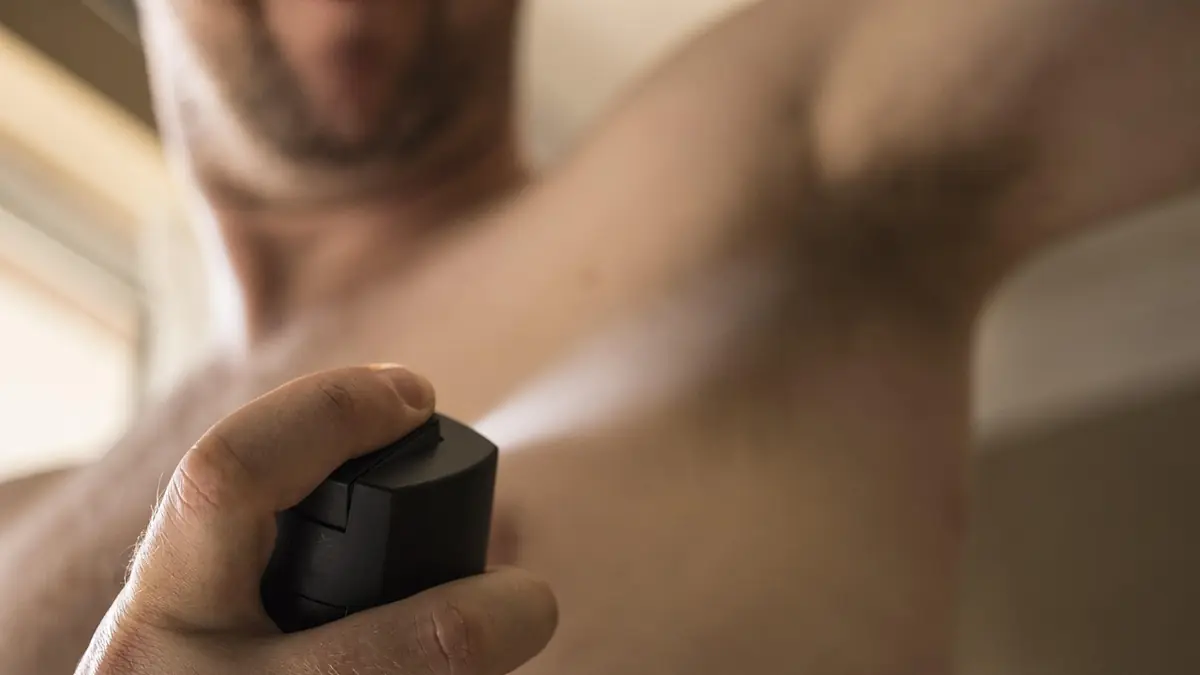
Walk down any supermarket aisle and you'll see the same two words on nearly every can: antiperspirant and deodorant. They are not the same product, they don't solve the same problem, and picking the wrong one is why some men still smell after a heavy session while others end up with itchy, irritated armpits.
This guide breaks down how each type works, the ingredients worth paying for, realistic wear times, and how to build a routine that holds up to five gym days a week without wrecking your skin.
The Core Difference: Blocking Sweat vs Neutralising Odour
Antiperspirants are a sweat-control product. Their active ingredient is almost always an aluminium salt, usually aluminium chlorohydrate or aluminium zirconium tetrachlorohydrex gly. It sits in the duct of the sweat gland and forms a temporary plug that reduces how much moisture reaches the skin. Most drugstore formulas claim 24 to 48 hours of protection, and clinical-strength versions go to 72.
Deodorants do not touch sweat volume. They target the bacteria that break sweat down into the compounds you smell. Actives are things like triclosan alternatives, zinc ricinoleate, or simply a low pH formula that makes the armpit less hospitable to odour-causing bacteria. Fragrance masks what's left.
So the choice starts with a question: is your problem wet shirts or is it smell? Many men have both, which is why combination products dominate the shelf.
- Antiperspirant = less sweat, aluminium salts
- Deodorant = less odour, no aluminium
- Combination sticks do both but cost more
- Neither works well on unwashed, unclipped underarm hair
What Actually Works for Gym-Goers
If you train hard four or more times a week, a plain deodorant will usually lose by mid-afternoon. Sweat volume matters when you're in a shirt for ten hours. An antiperspirant applied at night, when sweat glands are least active, gives the aluminium time to form its plug properly. Morning application after a shower is the least effective time to use it.
For the gym itself, apply before you leave and shower within 30 to 60 minutes of finishing. Reapplying antiperspirant on top of sweat does little except cake in the hair. A quick wash and a fresh layer after the shower is the better move.
If you get irritation from aluminium, try a lower-strength formula (around 10 to 15 percent aluminium chlorohydrate) before giving up entirely. Sensitivity is often about concentration and fragrance load, not the metal itself.
- Apply antiperspirant at night, not after a morning shower
- Shower within an hour of training and reapply
- Lower-strength formulas suit sensitive skin
- Keep a travel stick in your gym bag
Ingredients Worth Looking For (and Avoiding)
For sweat control, check the aluminium percentage on the back. Anything between 10 and 20 percent is standard; clinical versions sit around 20 to 25 percent and can be drying. For odour, look for zinc ricinoleate, which binds odour molecules rather than masking them, or a simple fragrance-free formula with a slightly acidic pH.
Avoid heavy fragrance if you have sensitive skin — 'parfum' high on the ingredient list is a common trigger for contact dermatitis. Also skip high alcohol content in roll-ons if you shave your armpits; it stings for a good ten minutes. If you're layering scent, keep the deodorant neutral and put the fragrance on your chest and neck instead.
Natural deodorants with baking soda work for some men and cause rashes for others. If you want to try one, patch-test for a week before committing to a full-size stick.
- 10-20% aluminium salts: standard protection
- Zinc ricinoleate: genuine odour binding
- Fragrance-free for sensitive or shaved skin
- Baking soda formulas: patch-test first
| Type | Sweat control | Odour control | Best for | Cost per month |
|---|---|---|---|---|
| Antiperspirant stick | High (10-25% aluminium) | Low-medium | Daily wear, heavy sweaters | $3-8 |
| Clinical antiperspirant | Very high (20%+) | Low | High-stress days, hyperhidrosis | $8-15 |
| Aluminium-free deodorant | None | Medium-high | Light activity, sensitive skin | $5-12 |
| Natural cream deodorant | None | Medium | Desk jobs, evenings | $10-20 |
| Body spray | None | Low (masking) | Post-gym refresh only | $4-10 |
Sticks, Sprays, Roll-Ons and Creams
Sticks are the most reliable for antiperspirant because you can feel exactly where the product lands, and they travel well. Sprays dry fast and suit hairy underarms, but you waste a lot of product and the coverage is patchy unless you use short bursts from 15cm. Roll-ons give an even, wet layer and are the best choice for sensitive skin, though they take a minute to dry.
Creams and balms are the newer category. They tend to be deodorant-only, fragrance-forward, and pleasant on skin, but they offer little sweat control. If you have a desk job and a light training load, a cream is fine. If you're in a suit on the Tube in July, it isn't.
Whichever format you choose, one stick lasts most men six to ten weeks with daily use; sprays run out in three to five weeks, which is why the cost per month is higher than the sticker price suggests.
- Stick: precise, best for antiperspirant
- Spray: fast-drying, patchy, costly
- Roll-on: even coverage, gentle
- Cream: deodorant-only, low sweat control
Building It Into Your Grooming Routine
Deodorant goes on clean, dry skin and should be one of the last steps before you dress, after moisturiser has absorbed. If you shave your underarms, wait a few minutes before applying anything with alcohol or fragrance. Getting the order right matters more than the brand — applying to damp skin dilutes the active and makes pilling under a shirt likely.
For the broader sequence, our guide to the right order for your grooming routine covers where deodorant, moisturiser and fragrance fit. And if you're dealing with dark patches or irritation under the arms, dark spot correctors for men explains which ingredients actually fade them and how long it takes.
One practical habit: buy two. A fragrance-free antiperspirant for training days and a lighter deodorant for evenings out. It costs less than one premium scent and solves both problems properly.
- Apply to dry skin, before dressing
- Wait after shaving
- Keep a neutral stick for the gym
- Replace every 3 months or after illness
- Antiperspirant reduces sweat; deodorant reduces odour — most men need both, at different times.
- Apply antiperspirant at night on dry skin for the best effect.
- Fragrance-free, mid-strength aluminium formulas suit most active men with sensitive skin.
- Keep a neutral gym stick and a lighter evening deodorant instead of one compromise product.
Marcus has spent years testing grooming tools, watches and everyday menswear and writing up what actually holds up to daily use. He focuses on value, fit and the small practical details buyers only notice after a few weeks. He edits every recommendation guide on the site.