Beard Growth Oils Compared: Carrier Oils, Scents and Cost
By Marcus Bellamy · Published · Updated · 5 min read
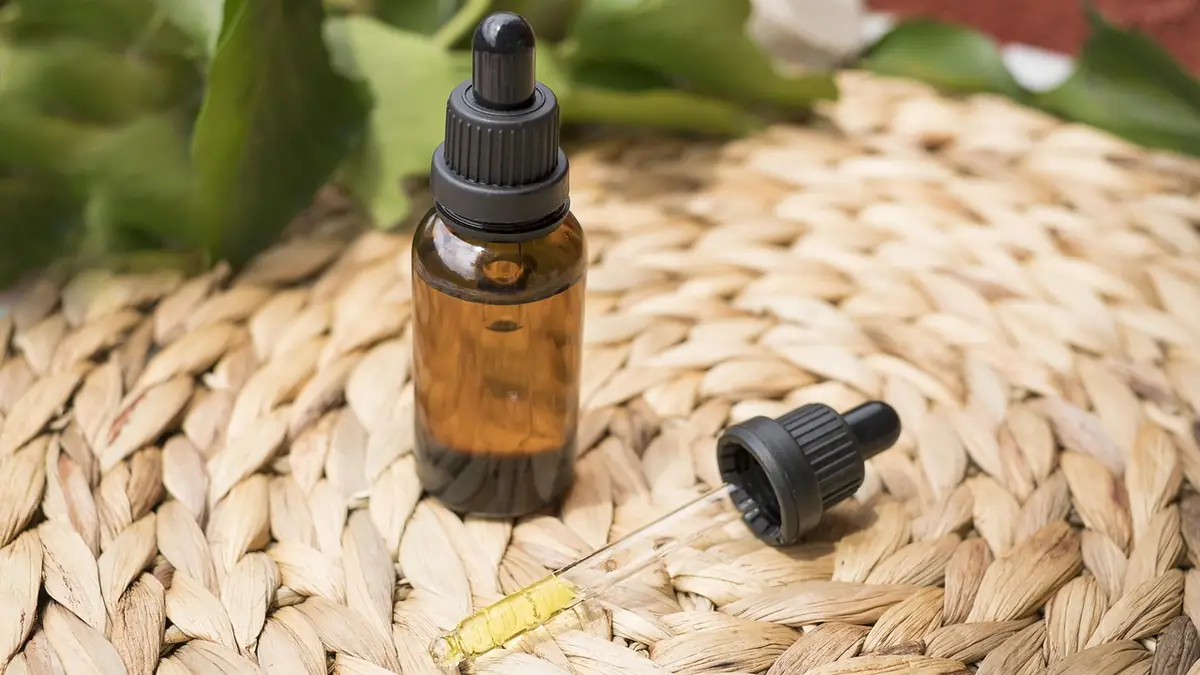
Most beard oils are built from the same handful of carrier oils, a little fragrance, and a short list of extras. What changes is the blend ratio, the thickness on skin, and the price per millilitre once you divide the bottle by how much you actually use each day.
This breakdown covers the carrier oils worth knowing, how scent choices affect wearability, and how to turn a bottle price into a monthly figure so a cheap-looking bottle is not quietly expensive.
What Carrier Oils Actually Do
Carrier oils are the bulk of any beard oil. Jojoba sits closest to human sebum, absorbs quickly, and rarely feels greasy, which is why it dominates mid-range blends. Argan is lighter still and adds a soft finish but oxidises faster, so it suits smaller bottles you will finish in a few months. Sweet almond and grapeseed are cheap, thin, and good for coarse hair, though grapeseed has a short shelf life.
Heavier options like castor and coconut oil feel richer and tame frizz, but they can leave a film on the skin and clog pores along the jawline if used generously. Most balanced formulas mix a light oil with 10-20% of something heavier. If a bottle lists only one oil, check the order on the label: ingredients are listed by weight, so the first name is doing most of the work.
- Jojoba: closest to skin sebum, fast absorbing
- Argan: light finish, shorter shelf life
- Sweet almond and grapeseed: thin, cheap, good for coarse beards
- Castor and coconut: rich, use sparingly on oily skin
Growth Claims and What to Ignore
No carrier oil grows hair on its own. What a good oil does is condition the skin under the beard, reduce flaking, and soften wiry hairs so they lie flatter and break less. That can make a patchy beard look fuller and help you keep length you already have, but it will not fill genuine gaps caused by genetics or scarring.
The ingredients with actual evidence behind them are things like rosemary oil, peppermint oil and caffeine, usually in low concentrations. Even then, effects are modest and take three to six months of consistent use. Treat any bottle promising fast density as a scent and conditioning product first, and judge it on feel, absorbency and price rather than on the front label.
- Look for jojoba or argan near the top of the list
- Essential oils should sit low in the ingredients
- Skip anything with a strong alcohol smell
- Patch-test new blends on the inner forearm for two days
| Bottle size | Price band | Lasts (4 drops/day) | Cost per month | Best for |
|---|---|---|---|---|
| 15 ml | £5-12 | ~1 month | £5-12 | Trying a new scent |
| 30 ml | £12-20 | ~2 months | £6-10 | Short to medium beards |
| 50 ml | £18-30 | 3-4 months | £5-8 | Daily use, best value |
| 100 ml | £30-45 | 6-8 months | £4-6 | Full beards, committed users |
| 30 ml premium | £25-40 | ~2 months | £13-20 | Scent-led buyers |
Scents, Skin and Daily Wear
Scent is where cheap oils fall apart. Fragrance oil is inexpensive and sharp for the first hour, then fades to nothing. Essential oil blends cost more but sit closer to the skin and last through a working day without announcing themselves. Unscented versions exist for good reason: if you wear cologne, a scented beard oil competes with it and the mix rarely works.
Skin type matters more than scent preference. If you get flakes or itch under the beard, a fragrance-free blend with jojoba and a little vitamin E is the safer pick. If your skin is oily, keep the oil on the beard hair itself and off the skin. Two to four drops for a short beard and five to six for a full one is a sensible starting point; more just means a greasy collar.
- Unscented if you wear cologne daily
- Essential oil blends last longer than fragrance oils
- 2-4 drops for short beards, 5-6 for full
- Apply to damp skin after a shower, not dry
Working Out Cost per Month
Ignore the sticker price and divide. A 30 ml bottle at roughly 4 drops a day lasts about two months; a 50 ml bottle lasts three to four months at the same rate. That means a 30 ml bottle at £12 works out near £6 a month, while a 50 ml bottle at £30 lands around £8-10 a month. The bigger bottle is often better value, but only if you will finish it before it goes off.
Carrier oils oxidise. Jojoba and argan keep well for around 12 months from opening, grapeseed and almond closer to six. Write the opening date on the bottle. If you rotate between several oils or only use one three times a week, buy smaller. If you use it daily and have a full beard, a 50-100 ml bottle is the sensible size. The same maths applies across grooming gear, so it is worth checking how much to spend on a daily watch with the same cost-per-use mindset.
- 30 ml lasts about 2 months at 4 drops daily
- 50 ml lasts 3-4 months at the same rate
- Grapeseed and almond go off in roughly 6 months
- Note the opening date on the label
Building a Simple Routine
Oil works best on a beard that is already clean and slightly damp. Wash with a mild soap two or three times a week, pat dry, then work a few drops through the hair and down to the skin with your fingertips. A boar-bristle brush spreads it evenly and trains the hair direction. Skip heavy washing on the other days; water and a comb are enough.
Oil is one part of a kit. A balm handles shape on longer beards, and a trimmer with the right guard keeps the edges clean. If you are starting from scratch, a short list of essentials beats a shelf of half-used bottles, and our beard grooming kit checklist covers the nine items that earn their place. If you are also dealing with skin tone under the beard, dark spot correctors for men explains what to look for.
- Apply to damp skin after washing
- Brush through with boar bristle to spread evenly
- Use balm for shape, oil for conditioning
- Trim edges weekly to keep the shape
Where the Money Goes
Price bands are fairly consistent. Supermarket and pharmacy own-brand oils run roughly £5-10 for 30 ml and lean on almond and grapeseed. Mid-range grooming brands sit at £12-20 for 30-50 ml with jojoba or argan as the base. Premium blends reach £25-40 for 30 ml, usually justified by essential oil scent work and nicer packaging rather than dramatically better ingredients.
The sweet spot for most men is the middle band: a jojoba-led blend, unscented or lightly scented, in a 50 ml bottle you will finish in three to four months. That lands at roughly £4-7 a month, which is less than most spend on coffee. Spend more only if the scent genuinely matters to you or your skin reacts badly to cheaper carrier oils.
- £5-10: own-brand, almond and grapeseed bases
- £12-20: jojoba or argan, better scent work
- £25-40: premium, mostly packaging and fragrance
- Best value sits in the middle band at 50 ml
- Judge oil by the first carrier oil listed, not the front label
- 30 ml lasts about two months; 50 ml is the better daily-use size
- Unscented blends suit cologne wearers and reactive skin
- Most men get the best value at £5-8 per month from a 50 ml jojoba blend
Marcus has spent years testing grooming tools, watches and everyday menswear and writing up what actually holds up to daily use. He focuses on value, fit and the small practical details buyers only notice after a few weeks. He edits every recommendation guide on the site.