10 Best Dark Spot Correctors for Men, Compared
By Marcus Bellamy · Published · 5 min read

Dark spots, post-shave marks and old sun damage are among the most common complaints men bring to a skincare counter, and the market has answered with dozens of correctors that all promise to fade them. The honest version: most work, but slowly, and only if the active ingredient suits your skin type and you use sunscreen every day.
This guide compares ten types of corrector you will actually find on shelves or online, grouped by what they do rather than by marketing claims. You will get ingredient concentrations worth looking for, realistic timelines of eight to sixteen weeks, typical price bands, and the trade-offs that decide whether a formula suits oily, dry or sensitive skin.
What a Dark Spot Corrector Can and Cannot Do
A corrector is a leave-on treatment aimed at excess melanin in the skin: sun spots, post-acne marks, shaving irritation and melasma. The credible ones rely on vitamin C, niacinamide, azelaic acid, tranexamic acid, alpha arbutin, kojic acid, retinol or a gentle exfoliating acid. They interrupt pigment production or speed up cell turnover, which is why results take weeks rather than days.
What they cannot do is remove a spot in a week, replace sunscreen, or fix pigmentation caused by ongoing sun exposure. If you are not applying a broad-spectrum SPF 30 or higher every morning, the spot will keep being re-darkened and every corrector you buy will look like it failed. Treat the corrector as the second step and sunscreen as the first.
Expect visible lightening in eight to twelve weeks for surface sun spots and post-shave marks, and longer for deeper pigmentation. Photograph the area in the same light every two weeks; mirror memory is unreliable and most people quit a product that was quietly working.
- Sun spots and post-shave marks respond fastest
- Melasma needs a dermatologist, not a serum
- Daily SPF 30+ is non-negotiable for any result
- Give any single product 8-12 weeks before judging
Vitamin C Serums: The Reliable Default
Vitamin C is the most researched brightening ingredient and the easiest starting point for most men. Look for 10-15% L-ascorbic acid for normal and oily skin, or a gentler derivative such as sodium ascorbyl phosphate or tetrahexyldecyl ascorbate if you have sensitive skin. Pure L-ascorbic acid below pH 3.5 works faster but stings more, especially after shaving.
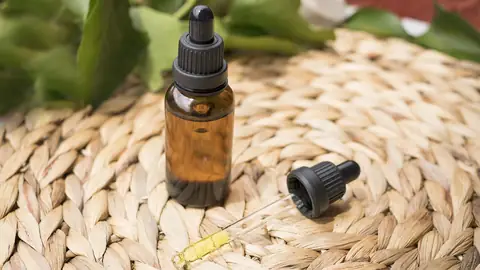
Quality matters more than percentage. A well-formulated 10% serum in an opaque pump bottle will outperform an unstable 20% formula in a clear dropper. Expect to pay roughly $20-50 for a decent 30ml bottle; anything under $10 is usually mostly water and glycerin. Use it in the morning under sunscreen, since vitamin C also helps against new UV damage.
Store it away from heat and light, and bin it if it turns deep orange or brown. That colour change is oxidation, and oxidised vitamin C is at best useless and at worst irritating.
- 10-15% L-ascorbic acid for normal to oily skin
- Derivatives for sensitive or freshly shaved skin
- Opaque pump packaging beats clear droppers
- Morning use under SPF is the standard routine
Niacinamide and Tranexamic Acid: Gentle but Steady
Niacinamide at 4-5% is the safest brightener for men who shave daily, because it rarely stings and it also calms redness and regulates oil. It is slower than vitamin C on stubborn spots but far easier to tolerate, and it layers well with almost everything. A 30ml serum typically costs $12-30, making it the cheapest serious option.
Tranexamic acid, often paired with niacinamide, is particularly useful for the flat, grey-brown patches that follow acne or shaving irritation. You will find it at 2-3% in serums, usually in the $25-45 range. It works by interrupting the inflammation-driven pigment pathway rather than by exfoliating, so it does not make skin more sun-sensitive.
These two are a sensible combination for a man who wants one serum to do several jobs and does not want to think about pH, timing or stinging. Apply after cleansing and before moisturiser, morning or evening.
- Niacinamide 4-5% is the low-irritation pick
- Pairs well with shaving and post-shave redness
- Tranexamic acid targets post-acne grey-brown marks
- Cheapest serious entry point at $12-30
Azelaic Acid, Retinol and Acids: Stronger Tools
Azelaic acid at 10-20% is a prescription-strength option available over the counter in many markets. It suits oily and acne-prone skin particularly well because it treats breakouts and pigmentation at once. Expect mild tingling and a slightly chalky finish; use it at night and build up from every other day.
Retinol is the long-game option. It speeds cell turnover and helps fade marks over three to six months, but it causes dryness and flaking for the first few weeks and makes skin more sun-sensitive. Start with a low-strength formula twice a week. Exfoliating acids such as glycolic and mandelic acid do similar work more quickly but are harsher, and mandelic acid is the gentler choice for darker skin tones.
Do not stack retinol, acids and high-strength vitamin C in one routine. Pick one strong active and support it with niacinamide and sunscreen.
- Azelaic acid 10-20% suits oily, acne-prone skin
- Retinol needs 3-6 months and a slow build-up
- Mandelic acid is gentler on deeper skin tones
- Never stack retinol with strong acids at night
Matching the Corrector to Your Skin Type
Oily skin does well with lightweight gels and serums, and should avoid heavy creams that cause congestion around the nose and forehead. Dry skin benefits from correctors suspended in a richer base with glycerin or ceramides, applied after a hydrating layer. Sensitive skin should start with niacinamide or a vitamin C derivative and patch-test behind the ear for three nights.
Men who shave daily should avoid applying strong acids or high-percentage vitamin C immediately after shaving, when the skin barrier is temporarily compromised. Wait until the evening or the next morning. If you are layering several products, order matters: thinnest first, then treatments, then moisturiser, then sunscreen in the morning.
If your routine is already crowded, the sensible sequence is cleanser, treatment serum, moisturiser, SPF. Our guide to the correct order for applying grooming products explains why the thinnest formula goes first and where sunscreen belongs.
| Corrector type | Typical active strength | Best for | Time to first results | Typical price (30ml) |
|---|---|---|---|---|
| Vitamin C (L-ascorbic acid) | 10-15% | Sun spots, dullness | 8-12 weeks | $20-50 |
| Vitamin C derivative | 5-10% | Sensitive skin | 10-16 weeks | $18-40 |
| Niacinamide | 4-5% | Oily, shave-irritated skin | 10-14 weeks | $12-30 |
| Tranexamic acid | 2-3% | Post-acne marks | 8-12 weeks | $25-45 |
| Azelaic acid | 10-20% | Acne-prone, oily skin | 8-12 weeks | $20-40 |
| Retinol | 0.2-0.5% | Overall tone, fine lines | 12-24 weeks | $25-60 |
| Mandelic/glycolic acid | 5-10% | Surface marks, texture | 6-10 weeks | $15-35 |
Price, Packaging and What to Skip
The functional difference between a $20 and a $90 corrector is usually texture, packaging and added antioxidants, not the core ingredient. A stable 10% vitamin C serum at $30 will do most of what a $90 bottle does. Spend the difference on sunscreen you will actually wear daily, because that is the product doing the heavy lifting.
Skip anything sold in a jar, since vitamin C and retinol degrade with air and light exposure. Skip spot creams that promise results in seven days, and skip products that combine five strong actives, which usually means each is underdosed. Also skip anything with a strong fragrance load if you shave daily; fragrance is a common cause of the irritation that creates new marks.
Buy one corrector, use it consistently for three months, and only then add a second. Rotating products every fortnight is the most common reason men conclude that nothing works.
- $20-50 covers most effective formulas
- Avoid jars; pumps and opaque tubes preserve actives
- Fragrance-free is safer for daily shavers
- One product for 12 weeks beats four for three weeks
- Sunscreen every morning is the single biggest factor in whether a corrector works.
- Start with vitamin C at 10-15% or niacinamide at 4-5%; both are proven and easy to tolerate.
- Give one product 8-12 weeks with fortnightly photos before deciding it failed.
- Buy a pump bottle in the $20-50 range and skip anything promising results in a week.
Marcus has spent years testing grooming tools, watches and everyday menswear and writing up what actually holds up to daily use. He focuses on value, fit and the small practical details buyers only notice after a few weeks. He edits every recommendation guide on the site.