10 Best Affordable Automatic Watches Under $500
By Marcus Bellamy · Published · 4 min read
A mechanical watch that winds itself as you move is one of the few accessories that gets more interesting the longer you own it. The good news: you no longer need to spend four figures. Between roughly $150 and $500 there are dozens of solid automatic watches with dependable movements, sapphire or hardened crystal, and cases that hold up to daily wear.
This guide compares ten models worth considering, focusing on what actually matters: the movement inside, case diameter and thickness on the wrist, finishing quality at the price, and the running costs of ownership. Prices below are typical street prices, not list, and they move with sales and currency.
What $150–$500 Actually Buys
At the bottom of this range you get a Japanese or Chinese automatic movement, usually a Seiko NH35 or a Miyota 8000-series, a mineral or hardened crystal, and a stamped or lightly brushed case. These movements are robust and cheap to service or replace, which matters more than a fancy name on the dial.
Move toward $400–$500 and the spec sheet improves quickly: sapphire crystal, screw-down crowns, applied indices, better bracelets and cases with more hand-finishing. You are mostly paying for the case and bracelet at this price, not the movement. A $200 watch and a $500 watch often tick with near-identical internals.
Be realistic about accuracy. Inexpensive automatics typically run within about -20 to +40 seconds a day, and many settle closer to ±15 seconds after a few weeks. That is fine for daily wear. If you need quartz-level precision, an automatic is the wrong purchase.
- Seiko NH35 and Miyota 8215/9015 are the workhorses to look for
- Sapphire crystal is the single biggest upgrade at this price
- Check lug-to-lug width, not just case diameter
- A $150–$250 service on a $200 watch rarely makes sense
How We Compared Them
Each watch was judged on four things: movement (reliability, hacking, hand-winding), case and dial finishing, wearability (diameter, thickness, lug-to-lug), and long-term cost. We ignored marketing language and focused on what you can see and feel in the hand.
Wearability deserves extra weight. A 42mm case with 50mm lugs will overhang a 6.5-inch wrist, while a 38mm case with 45mm lugs sits neatly. Thickness matters too: anything over about 13.5mm catches on cuffs and feels top-heavy. Where possible, try before buying or check owner photos on comparable wrist sizes.
Long-term cost is the quiet factor. A watch with a common movement can be serviced or swapped by any competent watchmaker for $80–$150. An obscure in-house calibre at this price can become a paperweight if parts dry up. If this is your first mechanical piece, read our guide to what you really get under $300 before stretching your budget.
The Ten Contenders
The list spans field, dive and dress styles so there is something for most wrists. Standouts include a 38mm field watch with a Seiko NH35 and sapphire for around $220, a 40mm dive-style piece with 200m water resistance near $350, and a slim 36mm dress watch with a Miyota 9015 around $450.
For everyday wear, the mid-priced divers and field watches are the safest buys: legible, tough and easy to service. Dressier options look sharper under a cuff but offer less water resistance and often use mineral crystal to hit the price.
One recurring surprise is bracelet quality. Several sub-$300 watches ship with hollow end links and folded clasps that rattle. Budget $40–$80 for a decent aftermarket strap or bracelet; it transforms how a cheap watch feels on the wrist.
- Best all-rounder: 38–40mm, NH35, sapphire, 100m+
- Best dress pick: 36–38mm, under 11mm thick
- Best beater: dive style, screw-down crown, 200m
- Skip anything with a proprietary strap and no lugs
Size, Fit and Everyday Wear
Case diameter gets all the attention, but lug-to-lug is the number that decides fit. As a rule, keep lug-to-lug under your wrist width in millimetres. A 6.75-inch (about 171mm) wrist comfortably wears 44–48mm lug-to-lug; a 7.25-inch wrist can take 50mm or slightly more.
Thickness is the other dealbreaker. A 12mm watch slides under a shirt cuff; a 14mm slab does not. Dress watches in this range usually sit at 9–11mm, divers at 12–13.5mm. If you wear tailoring often, favour the thinner case.
Weight and balance matter too. A 150–170g steel watch on a bracelet feels substantial; under 120g feels light and comfortable for all-day wear. Quick-release spring bars, now common even at this price, make strap swaps a two-second job rather than a tool-and-scratch exercise.
Running Costs and Maintenance
An automatic needs servicing every five to seven years in normal use, or when accuracy drifts noticeably. A basic clean-and-oil for a common movement runs roughly $100–$200 depending on your city; a full service on a more complex calibre can exceed the watch's value.
Practical ownership is cheaper than people fear. Keep it away from magnets (laptop speakers, bag clasps), rinse a diver with fresh water after saltwater use, and don't hand-wind a non-hacking movement aggressively. Crystal scratches on mineral glass can be polished out for $20–$40; sapphire rarely needs it.
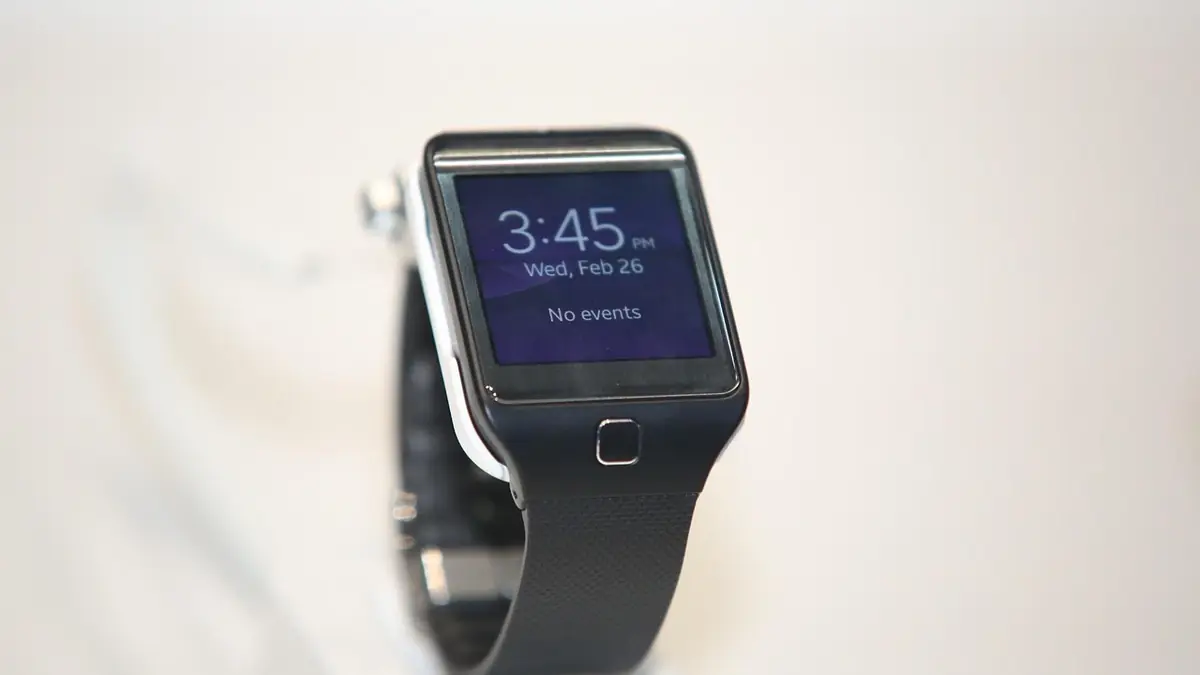
If you also wear digital watches, the care rules differ, and our guide to digital watch features that matter covers the practical side. For most owners, the biggest hidden cost is buying too many straps and tools—budget for one good strap and stop there.
| Style | Typical case size | Movement | Crystal | Typical street price |
|---|---|---|---|---|
| Field | 38–40mm | Seiko NH35 | Sapphire | $180–$260 |
| Dive | 40–42mm | Seiko NH35 / Miyota 8215 | Mineral or sapphire | $250–$400 |
| Dress | 36–38mm | Miyota 9015 | Sapphire | $350–$500 |
| Pilot | 39–41mm | Seiko NH35 | Mineral | $150–$220 |
| Everyday steel | 38–40mm | Miyota 9015 | Sapphire | $400–$500 |
Common Buying Mistakes
The first mistake is buying on specs alone. A watch with perfect numbers can still wear badly if the case shape is wrong for your wrist. The second is paying full retail; these watches discount regularly, and 15–25% off is common outside peak season.
The third is ignoring the grey market and pre-owned route. A lightly used automatic from a reputable seller often costs 30–40% less and arrives with minor hairlines you'd add in a month anyway. Just confirm the movement works and the crown operates smoothly.
Finally, don't expect an entry-level automatic to be an heirloom. Buy it because you enjoy the mechanical ritual, not as an investment. If you want a piece that will last decades with proper care, save longer and buy once.
- Avoid unknown microbrands with no service path
- Check water resistance ratings, not just 'water resistant'
- Prefer screw-down casebacks for easier servicing
- Buy the bracelet version if offered; it's cheaper than adding later
- Spend on case, crystal and bracelet; the movement is usually the same across price tiers.
- Lug-to-lug and thickness decide comfort more than case diameter.
- A $40–$80 strap or bracelet upgrade transforms a budget watch.
- Buy pre-owned or on sale; 15–40% savings are realistic.
Marcus has spent years testing grooming tools, watches and everyday menswear and writing up what actually holds up to daily use. He focuses on value, fit and the small practical details buyers only notice after a few weeks. He edits every recommendation guide on the site.