10 Best Australian Menswear Stores to Visit
By Marcus Bellamy · Published · 5 min read
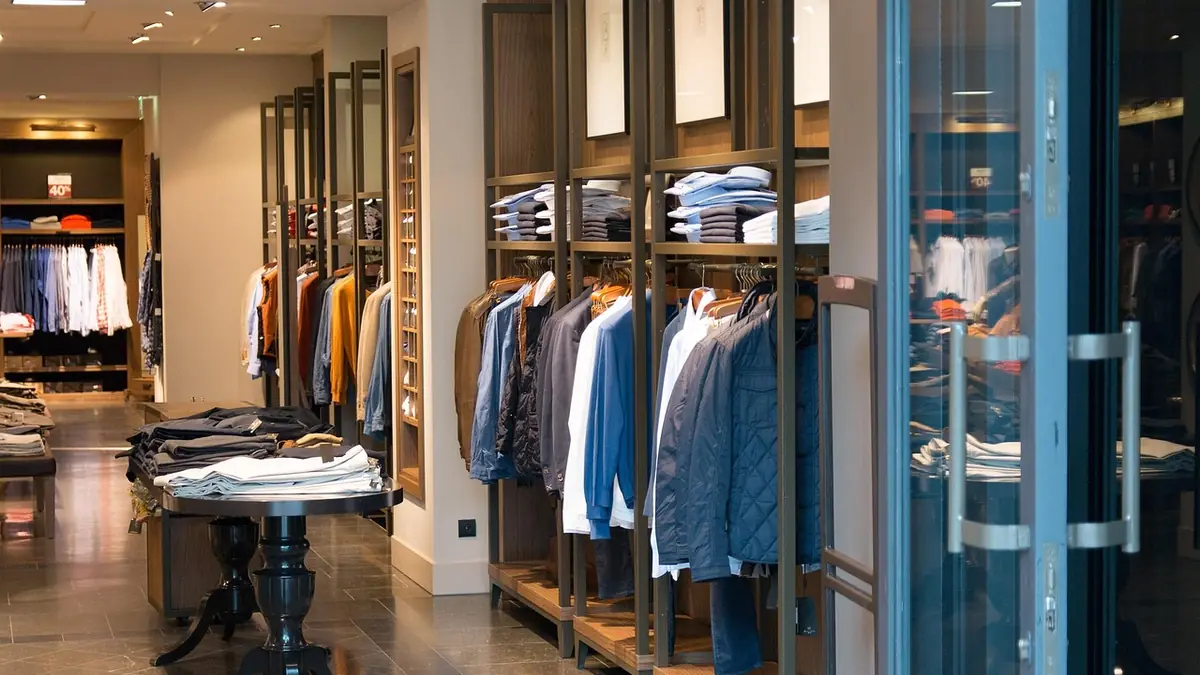
Australia's menswear scene has quietly become one of the better shopping experiences in the world. Between the established tailors in Melbourne and Sydney, the workwear revival coming out of Brisbane, and the online-first labels shipping out of Perth and Adelaide, there's genuine depth here — as long as you know which shops are worth the trip.
This guide walks through ten retailers worth building a wardrobe around. It's not about hype drops or designer logos; it's about where you get honest fit advice, fabrics that survive an Australian summer, and staff who can tell you the difference between a half-canvas and a fused jacket without checking their phone. Expect price bands, fit notes and the small details that decide whether a shop becomes a habit.
What Separates a Good Menswear Store From a Rack of Clothes
The first test is whether the staff can size you by eye within one attempt. A shop that asks your collar size before you've said a word is usually a shop worth returning to. The second is whether the range holds together: if the shirts, trousers and jackets could all be worn together without thought, the buyer has a point of view rather than a spreadsheet.
Fabric weight matters more here than in Europe. Anything above 300gsm in a wool jacket gets uncomfortable from November to March in most capitals, while unlined linen and cotton-linen blends earn their keep from October through April. Ask what the fabric mill is and where the garment was made; a shop that answers clearly usually also stands behind its repairs.
Finally, look at the alteration bench. Free hemming on trousers is common; free sleeve shortening on jackets is not. A store that offers in-house alterations with a two-week turnaround is telling you it expects you to come back — and that its cuts are worth adjusting rather than replacing.
- Staff size you accurately without a tape measure
- Range mixes easily into one wardrobe
- Fabric weights suited to Australian summers
- Clear answers on mills and manufacturing
- In-house alterations with a stated turnaround
The Tailoring and Suiting Shops
Sydney's suiting specialists cluster around the CBD and Surry Hills, with made-to-measure starting around $700–$1,200 for a two-piece and full bespoke from roughly $2,500 upward. Expect a three-to-five-week turnaround for made-to-measure and two fittings minimum. Off-the-rack jackets in these stores typically run $450–$900, and most will include basic sleeve and waist adjustments in the price if you ask before paying.
Melbourne's equivalents tend to lean a touch more traditional — softer shoulders, slightly longer jackets, more navy and charcoal than pattern. Sale season, usually late June and late December, is where the value sits: a $900 suit dropping to $500–$600 is normal, and the alteration offer often survives the discount. If you're between sizes, always take the larger and have it taken in.
If you're pairing a suit with a statement watch, keep the rest quiet — the same restraint applies to tailoring. Our guide to wearing black and gold watches without looking flashy is a useful sanity check before you commit to a bold dial with a charcoal suit.
| Category | Entry | Mid | Premium |
|---|---|---|---|
| Two-piece suit (off the rack) | $300–$450 | $500–$900 | $1,000–$1,800 |
| Made-to-measure suit | $700–$900 | $1,000–$1,400 | $1,500–$2,500 |
| Dress shirt | $70–$110 | $120–$180 | $200–$300 |
| Heavyweight tee (200gsm+) | $40–$60 | $65–$90 | $95–$140 |
| Raw denim jeans | $120–$160 | $170–$240 | $250–$350 |
| Leather boots | $180–$260 | $270–$400 | $450–$700 |
| Leather belt (full-grain) | $70–$100 | $110–$160 | $170–$250 |
Casual, Workwear and Everyday Shops
The workwear-influenced retailers — heavy cotton tees, canvas chore jackets, selvedge denim — have become the default weekend uniform for a lot of Australian men. Prices land around $50–$90 for a heavyweight tee, $180–$320 for a chore jacket and $150–$250 for decent raw denim. Look for tees at 200gsm or above; anything lighter goes translucent by the second summer.
Denim sizing is the usual trap. Most of these shops stock raw or one-wash denim that shrinks 1–3cm in the waist and 3–5cm in length after the first wash. Buy to the snug side of comfortable, not the loose side. Staff in good shops will tell you the expected shrinkage for each fabric without being asked, and many offer a free hem once the jeans have been washed and shrunk.
Footwear and accessories often sit in the same stores: leather belts around $80–$150, boots $250–$450. Check whether the belt is full-grain or bonded leather — the difference shows up in about eighteen months. If you're also sorting out facial hair before an event, the nine-item beard grooming kit checklist covers the basics without the upsell.
Online-First Labels and Their Fit Quirks
Several of the strongest Australian labels now sell mostly online, with one or two showrooms in Melbourne, Sydney or Brisbane. The upside is sharper pricing — direct-to-consumer shirting often lands at $110–$160 versus $200+ in a department store. The downside is that fit varies wildly between brands, and a 'slim' cut from one label can be a full size tighter than another's.
The reliable method is to measure a shirt you already like across the chest, from armpit to armpit, and compare it to the brand's size chart rather than trusting the S/M/L label. Most of these labels publish flat measurements; if one doesn't, treat that as a warning. Returns windows of 30 days are standard, but check whether sale items are excluded — many are.
Watch sizing follows the same logic. Case diameter and lug-to-lug matter more than the number on the dial, and a 40mm watch with long lugs wears bigger than a 42mm with short ones. Try before you buy where a showroom exists, and ask about strap options — swapping to a leather strap often transforms a casual watch.
Price Bands and What You Actually Get
Australian retail pricing carries a premium over US and UK equivalents, typically 15–30% on imported goods, partly freight and partly the smaller market. That makes local shopping a question of value rather than absolute price: you're paying for fit advice, alterations and the ability to return something in person. For basics, that premium is rarely worth it; for tailoring and shoes, it usually is.
A sensible split is to buy suiting, coats and leather shoes locally where fit and repair matter, and to buy tees, socks and casual shirts wherever the value is best. Spend your money where the garment has structure — a $600 jacket that fits beats a $300 jacket that doesn't, every time. And budget an extra 10–15% for alterations on anything tailored.
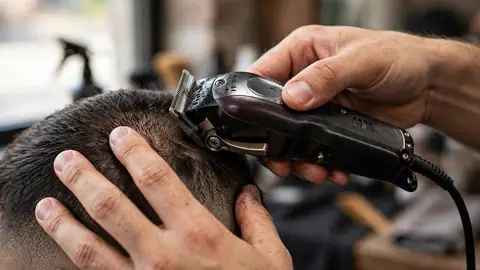
Shops that publish their price architecture openly — good, better, best tiers — are easier to shop than ones where everything is 'price on request'. If you're also refreshing a haircut before a fitting, the guard numbers and face shapes guide will save you an awkward conversation.
What to Check Before You Buy
Turn the garment inside out. Clean, flat seams and a generous seam allowance mean the maker expected it to last and be altered. Loose threads, puckered stitching and a thin allowance suggest the opposite. On jackets, check whether the canvas is floating (pinch the fabric between the buttons — you should feel a separate layer) or glued; fused jackets have a shorter life.
Ask about the return policy in writing and confirm whether worn, washed or altered items are excluded — most are. For online orders, check the dispatch location; a label shipping from overseas means longer waits and potentially import duties on orders over roughly $1,000. Finally, ask who does their repairs. A shop with a recommended cobbler or tailor is a shop plugged into its local trade.
If you're planning a broader wardrobe reset, it's worth reading what to expect from Australian menswear stores before you set out — the service norms and sale cycles differ enough from overseas to change how you shop.
- Buy structured garments locally for fit advice and alterations; buy basics wherever value is best.
- Budget 10–15% on top of any tailored purchase for adjustments.
- Check fabric weight — 300gsm-plus wool is a winter garment in most Australian capitals.
- Confirm return and alteration terms before paying, especially on sale items.
Marcus has spent years testing grooming tools, watches and everyday menswear and writing up what actually holds up to daily use. He focuses on value, fit and the small practical details buyers only notice after a few weeks. He edits every recommendation guide on the site.